
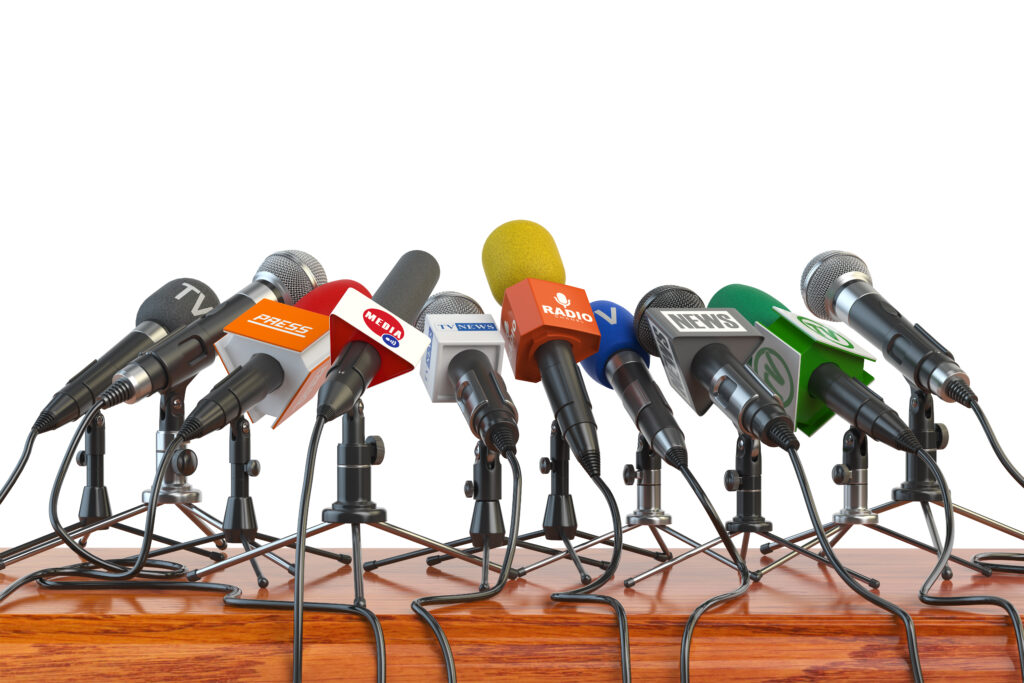
In today’s world of shrinking news engagement and digital media giving any company and individual the power to control their narrative, is building a relationship with the media still necessary? With traditional media shrinking and digital media spawning a whole lot of ways to share and access content anytime and anywhere, do brands still need journalists and publications? How is media relations still relevant?
Traditional media losing it once glorious momentum is probably the catalyst for the value of traditional media relations being questioned. As print publications faced the onslaught of digital technologies and in the aftermath changed business model, downsized operations or worst, closed altogether amid readership and revenue losses, media relations did not seem a priority.
For the many journalists who found themselves without a job or having to take on additional workload as their publications reduced manpower due to budget cuts, media relations had to be pushed to the backburner. Organizations and brands caught in the middle of these paradigm shifts also started asking the questions: How can our network of print media contacts enable us to adapt and adapt fast enough? Would that be enough?
Watershed technology
Digital technologies and the rise of digital media fundamentally altered how content is created, shared, accessed and consumed. Digital-first media landscape reshaped how media outlets and brands steer the business of content dissemination and how readers approach content. It also impacted the perception of media and media relations.

For organizations and brands, digital media provided more avenues for exposure. Companies can produce a broader range of content and share these across multiple platforms at once, something they were not able to do before. Suddenly a host of pathways to talk to their publics was opened to them, from their own websites and social media to podcasts, blogs and online communities, and at much less cost than before.
This ability to directly communicate with their audience and in real-time — even tailor content to specific demographics — that digital media provides organizations and brands undermined the value of traditional media relations. With digital media, in particular social media, brands can instantly share breaking news and react to negative or crisis situations. Unlike with traditional media, organizations can establish a two-way communication with their public over digital media, encouraging feedback and dialogue that can then lead to better user engagement. The real-time user-generated content otherwise not possible with print coverage but is now available via digital can be key to building a positive reputation. All these diminished the need for the journalist intermediary.
Digital media has also enabled brands to tap influencers that can help them engage their markets much more closely and effectively, further broadening the means by which they engage the public. Through their own websites, podcasts and even blogs, companies can initiate conversations themselves and not have to wait for media interviews or coverage that may take time and resources and require a lot of back and forth. More organizations, especially smaller one with limited budgets, are finding they do not need to rely solely on media outlets to reach their publics, create buzz or even build a community.
The shift to digital has equipped companies to adapt to the new ways the audience consumes information, itself influenced by digitalization. End-users prefer instant access to content and through multiple sources. Their attention span is shorter and preference for how information is presented, diverse and increasingly personalized. Younger, digital-centric readers want more control over how they access and consume information. All these are influencing how companies perceive and pursue content creation and dissemination, and therefore media relations.
The fragmented yet diverse media landscape while putting into the question the relevance of media relations has also made it more difficult for organizations to cultivate one. The high turnover in media outlets and changes in editorial focus have put media contacts in a sort of flux, with some journalists changing publications or roles and others writing for multiple titles.
The rise of citizen journalism also encroaches into the space of journalists and therefore media relations. Brands and PR professionals need a different approach to media relations with such citizen journalists. While citizen journalism encourages different perspectives, untrained individuals reporting news can allow biases, prejudices and incorrect information to reach the public that professional journalists will be able to filter.
So is media relations still essential?
Isn’t it that perhaps with the constant shifts in the media landscape, media relations is even more indispensable?

In today’s attention economy where the constant influx of data along the information superhighway makes attention an increasingly scarce resource, grabbing and holding the audience’s interest has become more daunting and so more crucial. The role of media relations in enabling brands to seize and keep that finite attention has therefore multiplied many times over.
Direct user engagement may be the win for content that brands themselves create and share over their own digital platforms and channels. But credibility is something that third-party media outlets brings to the table. Despite declining trust in news sources, a mention in or coverage by a reputable broadsheet or online news site offers a neutral insight into a company or brand as opposed to the brand’s own content marketing, which is likely to be regarded as self-promotion and biased.
Publications that have been around for years have established a credibility and a solid following that lend credence to a brand and enhances its reach and visibility, respectively. Amid the proliferation of fake news and misinformation, it pays to work with credible news sources.
Trust. What do they say about it? It’s earned. A positive media coverage creates not only exposure but also positive image or reputation. These are key to building brand credibility and gaining public trust and loyalty.
Beyond brand awareness, media relations can help with establishing brand authority and leadership. A solid relationship with the media can yield repeated coverage or interviews, print and/or online. This will elevate visibility with the audience and position a brand as an expert in the field.
Having a good relationship with the media enables organizations to respond to and manage crisis situations better. It also helps with lead generation, as the “endorsement” provided by the coverage of a third-party, neutral publication provides a degree of impartiality and credibility.
Companies and PR agencies continue to build their media relations teams precisely because of all these reasons. Having a positive relationship with media outlets and journalists enables businesses and PR agencies to build and secure a positive image for themselves and their clients, respectively.
Evolving media relations for today’s world
It is confirmed: Media relations remains relevant today. But here’s the quandary: Is the current format or approach to media relations still working?
Traditional media relations needs a revamping. It has to bid farewell to its analog existence and enter the digital sphere or companies merge these two worlds.


Media relations has to be more agile yet flexible. To enable brands to thrive in today’s attention economy, media relations has to manage all the channels and platforms available and at the pace that information is sent out.
Media relations has to be more customized. Generic media kits and pitches will not pass muster. The media relations work of the present day will not be limited to journalists and print publications. More stakeholders are involved now, and their information parameters differ. Influencers, bloggers, vloggers and all other types of content creators have joined the mix, and media relations need to cultivate a relationship with all of them.
Media relations must move away from simply disseminating content. With the focus increasingly on building organic engagement, media relations needs to also encourage interaction between the brand and its audience. It has to move from a one-way approach feeding press releases toward a two-way communication where the brand and its audience can actually interface.
Thanks to new technologies, there are now more tools and metrics for media relations teams. Real-time media monitoring metrics track and evaluate brand mentions and media presence across various channels. With AI these tools can automate many of the related tasks to enable teams in their strategic planning. Metrics for social media platforms must now form part of the analysis work for a more holistic evaluation.
It may also be time to recalibrate the framework for media relations. The PESO model that has steered media relations strategy for many years may no longer be as valid. Media relations today is no longer just about earned media. Earned attention is as important, if not more, with social media being where the audience is getting their content. Even old values used to measure PR in coverage such as AVEs may not be as relevant as they fail to reflect current realities.
Today’s media relations strategy must cover both traditional and digital media, and with earned attention included in the matrix. Coverage success is not just about media mentions anymore. Organic attention and engagement need to be measured as well. So perhaps the E in PESO can now mean earned media and attention. We are in an attention economy, after all.


